

Toyota Clarifies Innova Hycross Issue: Contaminated Fuel, Not E20 Petrol, Found Responsible

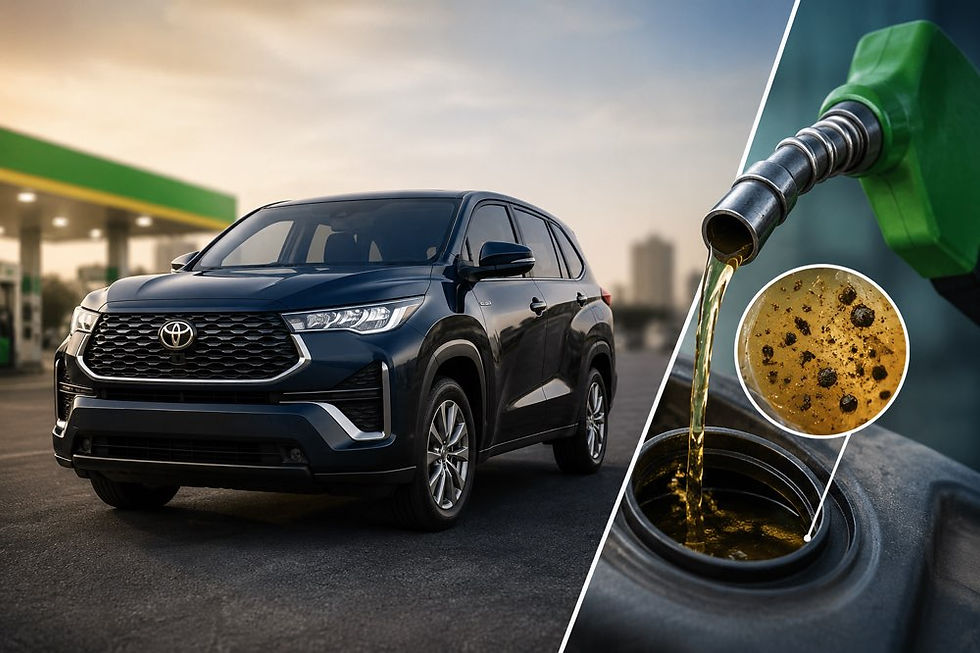
A viral incident involving a Toyota Innova Hycross has reignited public discussion around E20 petrol, with many motorists questioning whether India’s ethanol-blended fuel is safe for modern vehicles. However, after conducting a detailed technical investigation, Toyota Kirloskar Motor has concluded that the vehicle’s problem was caused by contaminated fuel, not E20 petrol itself.
Join us on the WhatsApp Community for automotive updates.
The controversy gained significant traction after the vehicle owner uploaded a series of videos on social media alleging that E20 petrol had damaged his Innova Hycross despite the MPV being certified for E20 fuel. In the videos, he not only questioned the government’s ethanol-blending policy but also criticised the Union Ministers overseeing the initiative, holding the policy responsible for the vehicle’s condition. The videos amassed millions of views within a short period, triggering widespread debate online and prompting responses from motorists, industry experts, government authorities and Toyota itself.
Responding to the claims, Toyota inspected the vehicle at an authorised service centre. According to the company, engineers carried out a comprehensive examination of the engine, fuel system and onboard diagnostics. The inspection found no damage to the engine or fuel system that could be linked to E20 petrol. Instead, Toyota identified non-standard, contaminated fuel as the root cause of the problem.
Following its standard service procedure, Toyota drained the fuel tank and fuel lines, thoroughly cleaned the entire fuel system and refilled the vehicle with standard E20 petrol. After further inspection and testing, the vehicle was found to be operating normally and was returned to the customer. The company stated that the incident was not related to E20 fuel usage but solely to fuel contamination.
The case highlights an important distinction that is often overlooked. E20 petrol refers to petrol blended with up to 20% ethanol and is approved for use only in vehicles designed and certified for it. Fuel contamination, on the other hand, is a separate issue that can occur regardless of whether the fuel is E10, E20 or regular petrol. Water, dirt, rust particles or adulterants entering the fuel supply can lead to rough idling, poor acceleration, engine warning lights, injector clogging and fuel pump issues in any vehicle.
Toyota also reiterated that the Innova Hycross is fully designed, tested and certified to operate on E20 petrol. The company advised customers to refuel only at authorised and reputed fuel stations to minimise the risk of contamination or adulteration and encouraged motorists to rely on official technical information rather than unverified claims circulating online.
Toyota Official Statement: (Toyotabharat)
ಟೊಯೋಟಾ ಸ್ಪಷ್ಟನೆ: ಇನ್ನೋವಾ ಹೈಕ್ರಾಸ್ ಸಮಸ್ಯೆಗೆ E20 ಪೆಟ್ರೋಲ್ ಅಲ್ಲ, ಕಲುಷಿತಗೊಂಡ ಇಂಧನವೇ ಕಾರಣ
ಟೊಯೋಟಾ ಇನ್ನೋವಾ ಹೈಕ್ರಾಸ್ಗೆ ಸಂಬಂಧಿಸಿದ ವೈರಲ್ ಘಟನೆ ದೇಶದಲ್ಲಿ E20 ಪೆಟ್ರೋಲ್ ಕುರಿತು ಮತ್ತೆ ವ್ಯಾಪಕ ಚರ್ಚೆಗೆ ಕಾರಣವಾಗಿದೆ. ಭಾರತದ ಎಥನಾಲ್ ಮಿಶ್ರಿತ ಇಂಧನವು ಆಧುನಿಕ ವಾಹನಗಳಿಗೆ ಸುರಕ್ಷಿತವೇ ಎಂಬ ಪ್ರಶ್ನೆಯನ್ನು ಅನೇಕ ವಾಹನ ಮಾಲೀಕರು ಎತ್ತಿದ್ದಾರೆ. ಆದರೆ, ಪ್ರಕರಣದ ಕುರಿತು ಸಮಗ್ರ ತಾಂತ್ರಿಕ ಪರಿಶೀಲನೆ ನಡೆಸಿದ ನಂತರ, ಟೊಯೋಟಾ ಕಿರ್ಲೋಸ್ಕರ್ ಮೋಟರ್ ಈ ಸಮಸ್ಯೆಗೆ E20 ಪೆಟ್ರೋಲ್ ಕಾರಣವಲ್ಲ, ಬದಲಾಗಿ ಕಲುಷಿತಗೊಂಡ ಇಂಧನವೇ ಕಾರಣ ಎಂದು ಸ್ಪಷ್ಟಪಡಿಸಿದೆ.
ಈ ವಿವಾದವು ವಾಹನದ ಮಾಲೀಕರು ತಮ್ಮ ಇನ್ನೋವಾ ಹೈಕ್ರಾಸ್ಗೆ E20 ಪೆಟ್ರೋಲ್ ತುಂಬಿದ ಬಳಿಕ ಸಮಸ್ಯೆಗಳು ಉಂಟಾಗಿವೆ ಎಂದು ಆರೋಪಿಸಿ ಸಾಮಾಜಿಕ ಜಾಲತಾಣಗಳಲ್ಲಿ ಹಲವು ವಿಡಿಯೋಗಳನ್ನು ಪ್ರಕಟಿಸಿದ ನಂತರ ವ್ಯಾಪಕ ಗಮನ ಸೆಳೆಯಿತು. E20 ಇಂಧನಕ್ಕೆ ಪ್ರಮಾಣೀಕೃತವಾಗಿರುವ ಈ ವಾಹನಕ್ಕೆ E20 ಪೆಟ್ರೋಲ್ವೇ ಹಾನಿ ಉಂಟುಮಾಡಿದೆ ಎಂದು ಅವರು ಆರೋಪಿಸಿದರು. ತಮ್ಮ ವಿಡಿಯೋಗಳಲ್ಲಿ ಅವರು ಸರ್ಕಾರದ ಎಥನಾಲ್ ಮಿಶ್ರಣ ನೀತಿಯನ್ನು ಪ್ರಶ್ನಿಸುವುದರ ಜೊತೆಗೆ, ಈ ಯೋಜನೆಯ ಹೊಣೆ ಹೊತ್ತಿರುವ ಕೇಂದ್ರ ಸಚಿವರನ್ನೂ ಟೀಕಿಸಿ, ವಾಹನದ ಸಮಸ್ಯೆಗೆ ಇದೇ ನೀತಿಯೇ ಕಾರಣ ಎಂದು ಆರೋಪಿಸಿದರು. ಈ ವಿಡಿಯೋಗಳು ಕೆಲವೇ ದಿನಗಳಲ್ಲಿ ಲಕ್ಷಾಂತರ ವೀಕ್ಷಣೆಗಳನ್ನು ಪಡೆದು ಸಾಮಾಜಿಕ ಜಾಲತಾಣಗಳಲ್ಲಿ ವ್ಯಾಪಕ ಚರ್ಚೆಗೆ ಕಾರಣವಾಗಿದ್ದು, ವಾಹನ ಮಾಲೀಕರು, ವಾಹನೋದ್ಯಮ ತಜ್ಞರು, ಸರ್ಕಾರಿ ಅಧಿಕಾರಿಗಳು ಹಾಗೂ ಟೊಯೋಟಾ ಕಂಪನಿಯ ಪ್ರತಿಕ್ರಿಯೆಗೂ ಕಾರಣವಾಯಿತು.
ಈ ಆರೋಪಗಳ ಬೆನ್ನಲ್ಲೇ ಟೊಯೋಟಾ ವಾಹನವನ್ನು ಅಧಿಕೃತ ಸೇವಾ ಕೇಂದ್ರದಲ್ಲಿ ಪರಿಶೀಲಿಸಿತು. ಕಂಪನಿಯ ಮಾಹಿತಿ ಪ್ರಕಾರ, ಇಂಜಿನಿಯರ್ಗಳು ಎಂಜಿನ್, ಇಂಧನ ವ್ಯವಸ್ಥೆ ಹಾಗೂ ಆನ್ಬೋರ್ಡ್ ಡಯಾಗ್ನೋಸ್ಟಿಕ್ ವ್ಯವಸ್ಥೆಯನ್ನು ಸಮಗ್ರವಾಗಿ ಪರೀಕ್ಷಿಸಿದರು. ಈ ಪರಿಶೀಲನೆಯಲ್ಲಿ E20 ಪೆಟ್ರೋಲ್ನಿಂದ ಎಂಜಿನ್ ಅಥವಾ ಇಂಧನ ವ್ಯವಸ್ಥೆಗೆ ಯಾವುದೇ ಹಾನಿಯಾಗಿರುವುದು ಕಂಡುಬರಲಿಲ್ಲ. ಬದಲಾಗಿ, ಗುಣಮಟ್ಟದ ಮಾನದಂಡಗಳಿಗೆ ಅನುಗುಣವಾಗಿರದ ಕಲುಷಿತಗೊಂಡ ಇಂಧನವೇ ಸಮಸ್ಯೆಗೆ ಮೂಲ ಕಾರಣ ಎಂದು ಟೊಯೋಟಾ ತಿಳಿಸಿತು.
ನಂತರ ಕಂಪನಿಯ ನಿಯಮಿತ ಸೇವಾ ವಿಧಾನ ಅನುಸರಿಸಿ, ಇಂಧನ ಟ್ಯಾಂಕ್ ಹಾಗೂ ಫ್ಯುಯೆಲ್ ಲೈನ್ಗಳನ್ನು ಸಂಪೂರ್ಣವಾಗಿ ಖಾಲಿ ಮಾಡಿ ಸ್ವಚ್ಛಗೊಳಿಸಲಾಯಿತು. ಬಳಿಕ ಪ್ರಮಾಣಿತ E20 ಪೆಟ್ರೋಲ್ ಅನ್ನು ಮರು ತುಂಬಿ ವಾಹನವನ್ನು ಮತ್ತೆ ಪರೀಕ್ಷಿಸಲಾಯಿತು. ಪರೀಕ್ಷೆಯ ನಂತರ ವಾಹನ ಸಂಪೂರ್ಣವಾಗಿ ಸಾಮಾನ್ಯ ಸ್ಥಿತಿಯಲ್ಲಿ ಕಾರ್ಯನಿರ್ವಹಿಸುತ್ತಿದೆ ಎಂದು ದೃಢಪಟ್ಟಿದ್ದು, ಅದನ್ನು ಮಾಲೀಕರಿಗೆ ಹಸ್ತಾಂತರಿಸಲಾಗಿದೆ. ಈ ಘಟನೆಗೆ E20 ಪೆಟ್ರೋಲ್ ಯಾವುದೇ ರೀತಿಯಲ್ಲೂ ಕಾರಣವಲ್ಲ, ಕಲುಷಿತಗೊಂಡ ಇಂಧನವೇ ಏಕೈಕ ಕಾರಣ ಎಂದು ಕಂಪನಿ ಸ್ಪಷ್ಟಪಡಿಸಿದೆ.
ಈ ಪ್ರಕರಣವು ಒಂದು ಪ್ರಮುಖ ವಿಷಯವನ್ನು ಸ್ಪಷ್ಟಪಡಿಸುತ್ತದೆ. E20 ಪೆಟ್ರೋಲ್ ಎಂದರೆ ಗರಿಷ್ಠ 20 ಶೇಕಡಾ ಎಥನಾಲ್ ಮಿಶ್ರಿತ ಪೆಟ್ರೋಲ್ ಆಗಿದ್ದು, ಅದಕ್ಕೆ ಅನುಗುಣವಾಗಿ ವಿನ್ಯಾಸಗೊಳಿಸಿ ಪ್ರಮಾಣೀಕರಿಸಲಾದ ವಾಹನಗಳಲ್ಲಿ ಬಳಸಲು ಅನುಮೋದಿಸಲಾಗಿದೆ. ಆದರೆ ಇಂಧನ ಕಲುಷಿತಗೊಳ್ಳುವುದು ಸಂಪೂರ್ಣವಾಗಿ ಬೇರೆ ವಿಷಯವಾಗಿದೆ. ಅದು E10, E20 ಅಥವಾ ಸಾಮಾನ್ಯ ಪೆಟ್ರೋಲ್ ಯಾವುದು ಇದ್ದರೂ ಸಂಭವಿಸಬಹುದು. ನೀರು, ಧೂಳು, ತುಕ್ಕಿನ ಕಣಗಳು ಅಥವಾ ಇತರೆ ಕಲ್ಮಶಗಳು ಇಂಧನದಲ್ಲಿ ಸೇರಿದರೆ ವಾಹನದಲ್ಲಿ ರಫ್ ಐಡ್ಲಿಂಗ್, ಶಕ್ತಿ ಕುಸಿತ, ಎಂಜಿನ್ ವಾರ್ನಿಂಗ್ ಲೈಟ್, ಫ್ಯುಯೆಲ್ ಇಂಜೆಕ್ಟರ್ ತಡೆ ಹಾಗೂ ಫ್ಯುಯೆಲ್ ಪಂಪ್ ಸಮಸ್ಯೆಗಳಂತಹ ತೊಂದರೆಗಳು ಉಂಟಾಗಬಹುದು.
ಟೊಯೋಟಾ ಮತ್ತೊಮ್ಮೆ ಇನ್ನೋವಾ ಹೈಕ್ರಾಸ್ ಅನ್ನು E20 ಪೆಟ್ರೋಲ್ ಬಳಕೆಗೆ ಸಂಪೂರ್ಣವಾಗಿ ವಿನ್ಯಾಸಗೊಳಿಸಿ, ಪರೀಕ್ಷಿಸಿ ಹಾಗೂ ಪ್ರಮಾಣೀಕರಿಸಲಾಗಿದೆ ಎಂದು ಪುನರುಚ್ಚರಿಸಿದೆ. ವಾಹನ ಮಾಲೀಕರು ವಿಶ್ವಾಸಾರ್ಹ ಹಾಗೂ ಅಧಿಕೃತ ಪೆಟ್ರೋಲ್ ಬಂಕ್ಗಳಲ್ಲಿ ಮಾತ್ರ ಇಂಧನ ತುಂಬಿಸಿಕೊಳ್ಳಬೇಕು ಎಂದು ಕಂಪನಿ ಸಲಹೆ ನೀಡಿದೆ. ಜೊತೆಗೆ, ಸಾಮಾಜಿಕ ಜಾಲತಾಣಗಳಲ್ಲಿ ಹರಡುವ ಪರಿಶೀಲಿಸದ ಮಾಹಿತಿಗಿಂತ ಅಧಿಕೃತ ತಾಂತ್ರಿಕ ಮಾಹಿತಿಯನ್ನು ಆಧರಿಸುವಂತೆ ಸಾರ್ವಜನಿಕರಿಗೆ ಮನವಿ ಮಾಡಿದೆ.
Join us on the WhatsApp Community for automotive updates.


Comments